

 In this article we will review what I believe to be the best acid indigestion remedy ever. Indigestion (stomach upset) is the term used to describe pain and discomfort in the upper abdomen or chest that can develop after a meal. The medical term for it is dyspepsia. Sometimes a burning feeling is felt in the center of the chest caused by reflux of the stomach’s contents back up the esophagus. This is often referred to as heartburn. If severe, it may be mistaken for a heart attack. Often there is a loss of appetite, nausea and vomiting, or flatulence, burping or belching.
Most people have suffered from indigestion after a large meal at some time, and up to 20% of people suffer from heartburn at least once a week. Depending on the cause, the symptoms may occur for a short time only, they may return intermittently, or they may be regular and prolonged.

Eleven Most Common Triggers That Cause Indigestion:
- Eating a heavy meal, greasy, spicy or rich foods
- Hurried eating or irregular mealtimes
- Drinking too many fluids at mealtimes
- Drinking alcohol or caffeinated beverages and smoking stimulate acid production
- Stress and anxiety
- Drugs such as aspirin and anti-inflammatory medication used to treat arthritis
- Pregnancy, which commonly causes heartburn, indigestion or vomiting
- Peptic ulcer (stomach ulcer)
- Helicobacter pylori – a bacterium, which lives in the mucus layer of the stomach, that can cause irritation (gastritis). It is present in about half the population, often without causing any symptoms
- Hiatus hernia – part of the stomach slides up through the diaphragm into the chest cavity, which can cause pain and heartburn. Hiatus hernia is most likely to occur in pregnant women and people who are overweight
- Stomach cancer
The benefit from using activated charcoal is that it quickly adsorbs not only excessive stomach acid but also many of the irritating substances produced from half digested stomach contents.
Acid Indigestion Remedy – Activated Charcoal
In his mid-twenties, John’s duodenal ulcers had become so bad that they were affecting his marriage. After admitting he drank coffee, I explained that coffee dramatically increases the acid production in the stomach. He said that if he had to stop his coffee then he would live with the ulcers. “Well” I said, “then you can think about having eroding ulcers.”
That grabbed his attention, so I told him about charcoal, and how it works amazingly well to neutralize stomach acidity. Skepticism spread across his face with that typical Cape Breton look that says, “Go ‘way!” Hoping it would inspire a degree of confidence in my unusual remedy, I directed him to the pharmacy, where they could order the charcoal, if there wasn’t any in stock.
Then I realized that his going to the drugstore was not going to happen. Just for such skeptical folks, I carry a small bottle of charcoal capsules in the truck. I pulled it out, gave it to him with some simple instructions, and said goodbye.
I didn’t see him until the following week. With a big grin, he immediately announced, “I am totally free.” All his symptoms were gone. I could tell just by looking at his face. Keep in mind that John had had these severe pains for quite some time. I then had a chance to mention other items he needed to be careful with, such as spices, condiments, and smoking.
I saw John a month or two later and he said in a very confident manner that not only had he stopped coffee, but that he had also stopped smoking. Now, if he were to feel some acid indigestion coming on, what do you think he will reach for, some brand name antacid with calcium, which actually increases acid production? No, like many others, John knows ‘relief’ can also be spelled: C-H-A-R-C-O-A-L
CharcoalRemedies.com page 30
My brother Ron has not always “appreciated” the value of my health innovations, but today he has no doubt as to charcoal’s benefit when it comes to stomach upset. As Canadian west-coast commercial fishermen, he and his wife Gerrie worked long and hard seven days a week during fishing season. “There was no time to prepare a proper meal, so then we ended up having a big meal just before going to bed. That habit tended to end in pain, with an upset stomach and gas. But we would take several capsules of charcoal, and the symptoms promptly disappeared.” Back on land again, they are careful to better plan their mealtimes. CharcoalRemedies.com page 32
Ben was, for years, a long distance trucker traveling all over North America. “I didn’t go anywhere without charcoal. If I got an upset stomach, if I had gas, or diarrhea from something, I always had it on hand as a faithful and quick remedy. I simply carried a bottle of tablets with me or I would fill some capsules with the powder if I couldn’t get the tablets. We keep it right at hand here in the kitchen.” Oh yes, Ben’s wife Martha is an Emergency Room doctor. CharcoalRemedies.com page 72
Indigestion & Activated Charcoal
“One tablespoon of activated charcoal powder can adsorb the amount of bacteria that would completely cover a tennis court. I also take four capsules if I eat something that gives me indigestion or stomach pain. I used it once in the middle of a store when my son consumed an unknown amount of liquid soap.
We always carry a bottle in our glove box and in my purse for emergencies. For children who can’t swallow pills, the capsules can be opened into a small amount of water, stirred and sipped with a straw. It doesn’t have any taste. Don’t try to put the powder on your tongue and swallow with water. It is so light that when you take a breath, you’ll be sorry!” Thanks Barbara for that motherly advice. CharcoalRemedies.com page 97
Stomach upset
Recently I talked with Yvonne. Some time ago she received a short pamphlet on charcoal, and decided to try it for her long history of upset stomach. She reported that she had gotten fast relief, and that she had had no more problems. She was preparing to go on a trip to Mexico, and was apprehensive about the reports of the Tourista Blues (diarrhea). I suggested that, in case of an emergency, she take some charcoal with her. Fortunately she only heard happy tunes, but she was thankful that she’d had a simple remedy she could trust.
Most cases of chest pain, called heartburn, are nothing more than acid indigestion that can be helped by taking charcoal. A slurry of charcoal and water, or a little olive oil and charcoal mixed together, is often all that is needed.
Pastor Emilio, now retired, was a popular public speaker. His speaking engagements involved traveling extensively, including overseas. He smiled as he told me, “I would catch every bug. If I noticed any symptoms of upset stomach or diarrhea, I immediately would take charcoal. Usually by the time my plane landed back in the U.S. my symptoms would be gone.”
Ty is another world traveler. As a public speaker, director and field representative for a prominent publishing organization, he is often in the air on his way to some foreign country. With all his other important luggage to keep track of, Ty never forgets his emergency kit. “I take charcoal with me on all international trips, just in case. I visit in many different places, with different foods. If I detect the least upset stomach, I right away take some charcoal.” CharcoalRemedies.com page 16
How to use Activated Charcoal as an Acid Indigestion Remedy
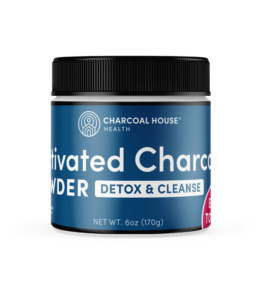
 It’s simple. Just mix 1 teaspoon or 1 Tablespoon of activated charcoal powder INTO a glass of water. Stir gently until the charcoal powder is mixed in. Then, CHUG it back! Be careful to allow a two hour window before taking prescription medicines as charcoal neutralizes most drugs. That’s why it’s used in emergency rooms around the world for drug overdose. Other than that it is absolutely safe. As a matter of fact, the FDA certifies it as GRAS(Generally Regarded As Safe).
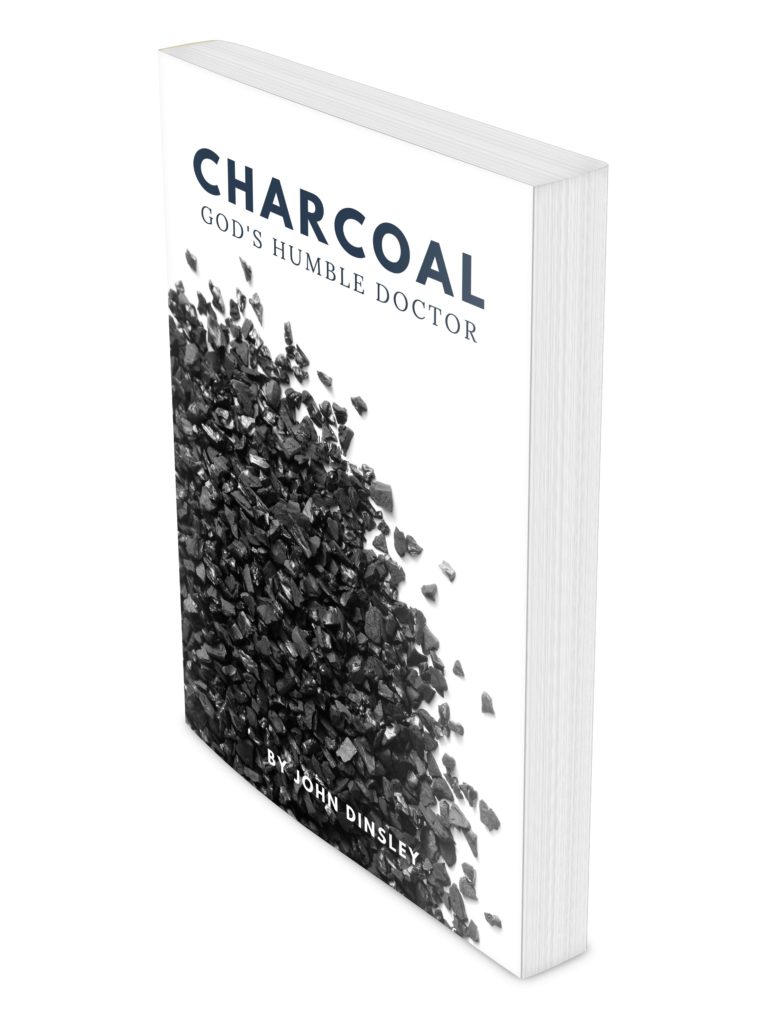
Find out more how charcoal can help you treat acid indigestion, heartburn, acid reflux and other common ailments, simply and naturally, right in your home. To order the book CharcoalRemedies.com now click here. Also available in Spanish.






14 Comments. Leave new
Very informative
Thank you!
Helpful!
Glad you found it helpful! Please let us know if you try it and how it worked.
… [Trackback]
[…] Find More Information here on that Topic: charcoalremedies.com/acid_indigestion/ […]
… [Trackback]
[…] Read More on to that Topic: charcoalremedies.com/acid_indigestion/ […]
… [Trackback]
[…] Here you will find 8089 more Info on that Topic: charcoalremedies.com/acid_indigestion/ […]
… [Trackback]
[…] Find More to that Topic: charcoalremedies.com/acid_indigestion/ […]
… [Trackback]
[…] Find More here on that Topic: charcoalremedies.com/acid_indigestion/ […]
… [Trackback]
[…] Find More here to that Topic: charcoalremedies.com/acid_indigestion/ […]
… [Trackback]
[…] Read More here to that Topic: charcoalremedies.com/acid_indigestion/ […]
… [Trackback]
[…] Find More on that Topic: charcoalremedies.com/acid_indigestion/ […]
… [Trackback]
[…] Find More here to that Topic: charcoalremedies.com/acid_indigestion/ […]
… [Trackback]
[…] Find More Information here on that Topic: charcoalremedies.com/acid_indigestion/ […]