
Just like adults, babies get sick too. It seems unfair that these fragile, vulnerable infants have to face a world full of so many enemy agents so soon in life. For babies born in hospitals and babies born at home, there are a host of unseen but very lethal organisms lurking about ready to infect their little bodies. Whether it be a hospital-borne infection or something a breastfeeding mother ate at her last meal, babies are not equipped to deal well with their new environment. Whether it be Gastroesophageal Reflux Disease (GERD), neonatal jaundice, infant diarrhea, colic, or accidental poisoning, in many cases Activated Charcoal has been found to be an effective simple and natural remedy.
Infant Jaundice
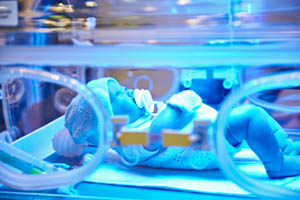
Mock-up of a child in an intensive care incubator
Even from birth, many babies fall victim to neonatal jaundice. Whether jaundice is because of an inherited factor such as in Erythroblastosis fetalis, or because of a sluggish, immature liver, many babies turn yellow soon after birth instead of a glowing pink. Activated charcoal is a simple natural remedy for a jaundiced baby.
“When Nathan, our firstborn, came along, he was somewhat jaundiced. The yellow-orangish appearance of his skin and eyes was due to the build up of bilirubin, a bile pigment that was not being properly metabolized. For various reasons, the liver sometimes does not kick into gear at birth, as it should have with Nathan. Out he went into the sun for a daily sunbath. Charcoal has also been credited with lowering bilirubin levels. But, since babies are only designed to swallow at birth and not chew, we mixed some activated charcoal powder in a bottle of water and let the particles settle out. We then poured this slurry water off into a baby bottle and popped that into his mouth. After a couple of days, and several ounces of slurry water later, he was a healthy ruddy pink.” As he grew, Nathan would now and again show signs of being a little colicky. We could only smile as he would accept a charcoal tablet, and then thoroughly enjoy playing with it in his mouth. By the next morning he would be over whatever had caused him discomfort. Later, when his brother Enoch came along, charcoal tablets were his first experience with “candy.” If only other young parents knew how powerful charcoal can be as a first aid.”CharcoalRemedies.com page 27
For jaundiced babies, add one tablespoon of activated charcoal powder into four ounces of water. This makes a good slurry that is able to pass through the nipple of a baby bottle. Shake well before giving. Or, you can let the charcoal settle out, pour off the gray water and give that.
Dr. Agatha Thrash M.D. shares the following case of neonatal jaundice in a four-day-old breastfed baby:
“The father took the baby to our laboratory to be tested for its total bilirubin levels. The levels continued to climb over the next twenty-four hours and a consulting physician agreed with our suspicion of an ABO blood incompatibility. When the bilirubin rose to 18 mg% the consultant prepared to give an exchange transfusion of blood.
The same hour the mother began administering as much charcoal as she could get the baby to accept. With the baby undressed in her lap, she sat in the sunlight giving over an hour of exposure to both front and back (babies can tolerate more sunlight before getting a sunburn than can adults).
At the next six-hour bilirubin check, the level was down to 16.5%, and we knew we had avoided the hazardous exchange transfusion. Continuing with this treatment the bilirubin began to clear and was down to 4 mg% by the tenth day.”
In one astounding study the need for exchange transfusions in babies with erythroblastosis fetalis was cut by more than 90% with the use of charcoal. Erythroblastosis fetalis is a severe anemia that develops in an unborn infant because the mother produces antibodies that attack the fetus’ red blood cells. The antibodies are usually caused by Rh incompatibility between the mother’s blood type and that of the fetus (that is, the mother and baby have different blood types).
These babies can be at extreme risk after birth and, depending on the severity, a blood transfusion may be performed. In one study done at Fort Benning, Georgia, activated charcoal, suspended in water, was given every two hours. The treatment was continued for 120 hours in normal newborns and 168 hours in premature infants, or until bilirubin levels fell. Charcoal should be begun at four hours of age to produce the maximum reduction in elevated bilirubin levels.”CharcoalRemedies.com page 158
Diarrhea

Whether it be because of a defenseless immune system, an undeveloped digestive system or an immature nervous system the most common physiological reaction to even the slightest change in a baby’s delicate world is diarrhea. By far the single greatest health threat to babies (seniors and everyone in between) is gastrointestinal disease. The World Health Organization (WHO) claims waterborne gastrointestinal infections cause eighty percent of all disease worldwide and kill more than 50,000 people every day, over 5,000 from diarrhea and cholera. In fact, diarrhea is one of the most common symptoms associated with disease, whether it be the flu, HIV/AIDS, diphtheria, food poisoning, parasites or Rotavirus. The body, in no uncertain terms, is telling us that it wants to get rid of something that is poisoning us. Once again there is no remedy so universal, so economical, so free of adverse side effects, and so effective in helping control diarrhea as is activated charcoal—whether taken internally or applied externally as a poultice or body bath. Whether for father, mother or baby, charcoal works! Dr. Martha, MD, works as an emergency room physician in a Kentucky hospital. “I use charcoal routinely for poisonings and drug overdoses… If I want to give it to little ones for diarrhea, I may mix it with mashed bananas. I always have it on hand in the home as an antacid, or for any number of common problems.” CharcoalRemedies.com page 72
When it comes to trying some new remedy, we all feel better if someone who is well qualified will give it their thumbs up. Dr. Mervyn G. Hardinge, MD, Dr. PH, PhD, the founding dean of the School of Public Health at Loma Linda University, has broad-based experience in the fields of pharmacology, nutrition, and health. Holding degrees from Harvard and Stanford, he has authored more than fifty scientific papers in peer-reviewed journals as well as several books, including the three-volume Family Medical Guide. We would expect he is eminently capable of speaking on the merits of charcoal. In his most recent book, Drugs, Herbs, & Natural Remedies, he places charcoal under the heading of “harmless.” Of its more common uses, he lists it for relief from gas, as a laxative, for inflammation of the bowels, for colic, diarrhea, ulcers and pain. When I called and talked to him on the phone he assured me that he has always been a strong supporter of simple remedies.
When I asked if he had any memorable charcoal stories he replied, “Yes. An old but very vivid one comes to mind. While attending a camp meeting, our fifteen month-old son contracted a good case of diarrhea. He was, nevertheless, still very active, running around. But as he ran the contents of his diaper dribbled out behind him making no little mess for us to clean up. By the time we were ready to leave, his bottom was so raw, he would scream when his mother tried to change his diapers. Driving through Oklahoma I stopped at several pharmacies along the way to see if they had any charcoal, but none of them carried it in their store. Finally I stopped in a small village and was able to find some charcoal tablets. We ground them up, but then wondered how we were going to get a fifteen month-old baby to take it. We decided on peanut butter. We mixed it in with the charcoal, and within a short time he was no longer bothered when it came time to change his diapers. I have always encouraged the use of natural remedies and we have used charcoal through the years for an assortment of infections. For instance, for a cut on the hand we would make a simple poultice and wrap the hand completely.” CharcoalRemedies.com pg. 163
Many have found they have been able to control the diarrhea if, after each loose or watery stool, they give a mixture of one to two large spoonfuls of charcoal powder (or 6-12 capsules) in a glass of water. Follow each glass of charcoal water with one or two glasses of plain water.
For very stubborn cases of diarrhea, we recommend an activated charcoal poultice over the abdomen in place of taking activated charcoal powder internally. Read Georgia’s Story for such a case.
Activated Charcoal For Colic
One condition sometimes associated with diarrhea in newborn babies is colic. Colic in babies may stem from a combination of factors, but the result is always the same—a very unhappy baby and very tired parents. Activated charcoal is a simple natural home remedy that quickly calms colic and gas in infants, which is a great relief to parents.
It is not uncommon for newborn babies to go through periods when they appear abnormally irritable or seemingly cry for no reason. Common symptoms of colic include:
- vigorous inconsolable crying for long periods
- a daily pattern of crying, often after meal times, and usually ending as abruptly as they begin
- signs of gas discomfort and abdominal bloating
- a hard, distended stomach, with knees pulled to the chest, clenched fists, flailing arms and legs, and an arched back
- frequent sleeplessness, irritability, and fussiness.
Baby colic is most common in the first few weeks to four months of life and seldom persists past six months of age. The “Rule of Threes” says, a baby that cries for three or more hours per day, at least three times per week, within a three month period is most likely suffering from colic. About 25% of babies worldwide meet the official criteria for colic.

What causes babies to become colicky? There appear to be several contributing factors that, when occurring in combination, are likely to result in colic pain and discomfort:
- Because the baby’s immature digestive system is just learning to function, the normal rhythmic movement of food is undeveloped. As well the normal bacterial flora that aids in digestion is lacking. Thankfully, within six months, most infants outgrow these handicaps.
- Certain foods eaten by nursing mothers may contain chemicals or allergens that can trigger colic discomfort and digestive upset. When nursing, trace elements from gas producing foods may be passed via breast milk to the baby and cause gas and bloating.
- Babies often swallow air while feeding or during strenuous crying, which increases gas and bloating.
- Since an infant’s nervous system is also so immature, they can quickly become “stressed” with sights and sounds. Generally, the more activity (errands, visitors, TV, phones, etc.) in the baby’s day, the higher the incidence of irritability and colic.
Keeping the home life quiet and simple and the foods simple, with few varieties at the same meal, will go a long way in avoiding the distress on everyone of a colicky baby. But should the need arise, activated charcoal powder is a wonderfully simple home remedy that can bring relief to all. Colic Calm is one simple remedy that will not only calm colic in an unhappy baby but goes a long way to restore calm to an entire home!
Colic & Activated Charcoal Testimonies
“I found Colic Calm when searching the internet for a natural treatment for reflux. My little 3 week old baby was put on Zantac and I wasn’t happy about putting chemicals in her tiny, pure body. I call Colic Calm “black gold” as it has helped her so very much. I only give her 1/4 teaspoon 3 times a day and she doesn’t spit up anymore and she’s regular too! It is truly a gift! Leann Zantac Side Effects “Our son was born full term but shortly after birth he was diagnosed with a Pneumothorax (hole in the lung). He was admitted to the NICU where he received treatment for the condition. He left the NICU and headed home with a clean bill of health except for some digestion issues which the neonatologists felt would resolve on their own.
“After bringing him home we knew something was still wrong as he cried excessively for hours on end, often all day long. We at first thought it was colic. At 4 weeks old he was diagnosed with being allergic to regular infant formulas and milk protein. We’ve tried every formula on the market and finally settled on one that “worked” the best for him after all others were ruled out. When he has particularly bad crying spells and is very uncomfortable we bring out the Colic Calm. Within 5 minutes he usually improves and is often smiling again. As soon as we administer it he quiets as he loves the taste of it! We consulted our pediatrician and even the pediatric nutritionist about using Colic Calm and both told us it was safe and OK to use. Our son does not have typical colic but we’ve quickly realized what a wonderful product Colic Calm is as it helps alleviate his discomfort that the allergic reaction causes him. Thank you Colic Calm for a product that really does work, and thank you Kimberly for your top-notch customer service!” Adam’s Mom, Minnesota
“Another happy Mother writes: “As soon as I brought my baby boy home it all started, the constant crying, bringing his legs up in pain, and he would not sleep more than 1 hour straight. I was getting no sleep. My doctor said he had colic and that I should just wait the 3 months out and it will be better then. But I bought everything possible from special colic formula to special colic bottles. Nothing worked until I found Colic Calm.
“My goodness what a product. I gave this to my son when he was about 6 weeks old. Pretty much straight away I noticed a difference. I was giving him the maximum dose recommended. He is now 3 months and I still give him the Colic Calm only one dose with his night bottle. It helps to bring his wind up more and I believe it really settles him. Colic Calm really got me through those tough weeks so thank you very much.”
Kristy, Australia
To read more Colic Calm stories go to More Testimonies
Accidental Poisoning
While food sensitivities or even food poisoning is a very real and serious problem, one area that is of special concern to parents is accidental poisoning of children. A child is accidentally poisoned every half hour in the United States. Approximately 1.1 million cases of a child under the age of six years swallowing a toxic substance were reported to poison control centers in 1998. This number is thought to represent approximately 25% of all such incidents. Things commonly ingested by children less than six years of age include cosmetics, cleaning products, analgesics and cold preparations. Data from 1995 through 1998 revealed that prescription and over-the-counter medications accounted for 52% of the deaths from poisoning during this period. Those substances associated with the greatest risk of death were cocaine, anticonvulsants, antidepressants and iron supplements.
Ipecac
Many older readers may remember one home remedy that was endorsed for many years was ipecac. Ipecac is an emetic, something that causes a person to vomit. The rationale was that if a person had swallowed some poison, then the sooner it was vomited up the less would be absorbed into the body. Of course the very simplest method is to tickle the back of the throat with one’s finger, or some other object, to trigger reflex vomiting. Maybe because some people were too squeamish to do that, the product ipecac was promoted as a substitute. But in 1997 the American Academy of Clinical Toxicologists and the European Association of Poison Centers and Clinical Toxicologists reviewed the scientific literature, and issued their new position statement. Among other things they recommended:
- Ipecac should not be given routinely for poisoning management.
- Evidence is lacking to demonstrate that ipecac improves the outcome of poisoned patients and its routine administration in the emergency room should be discontinued.
- There is insufficient clinical evidence to support or exclude ipecac administration soon after poison ingestion.
- Ipecac may delay administration or reduce effectiveness of charcoal, oral antidotes, and whole bowel irrigation.
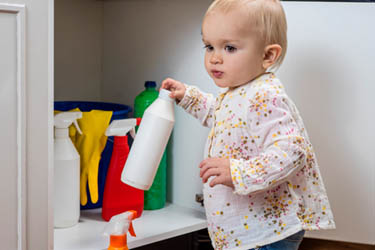
The American Board of Applied Toxicology and the Canadian Association of Poison Control Centers have since endorsed these recommendations. Only in 2003 did the Academy of Pediatrics stop recommending its use. Suddenly, after decades of aggressive endorsement by the medical professions, we now see these warnings associated with ipecac: “Research has shown that ipecac medication has been improperly administered by parents, and has been abused by people with eating disorders such as bulimia. Abuse of ipecac can lead to heart problems and even death.” In light of the above recommendations and considering the fraction of times ipecac is used by parents compared to professionals, it is strange that this new drug alert focuses on parental misuse???
Charcoal
In place of ipecac, the efficacy of activated charcoal used in clinical settings is undisputed. The debate has, however, heated up over its home application. While there is no question of activated charcoal’s superiority over every other known antidote, some suggest it is poorly accepted by young children, making the administering of the recommended dose a little trickier. While this concern has yet to be demonstrated, there are several studies that clearly show the majority of children will accept charcoal. It seems the problems are more with timid parents who are unsure of administering any antidote on their own, and who would prefer to take their children to an emergency department.
Time is of the essence when it comes to poisoning. Charcoal is the treatment of choice for poisoning or drug overdose in children, as well as adults, but it is most effective sooner rather than later. Studies done with volunteers suggest that activated charcoal is more likely to reduce poison absorption if it is given within one hour of ingesting the poison.CharcoalRemedies.com page 73-74
US Poison Control Center 1-800-222-1222 or 911
CANADA – front of phone directory or 911
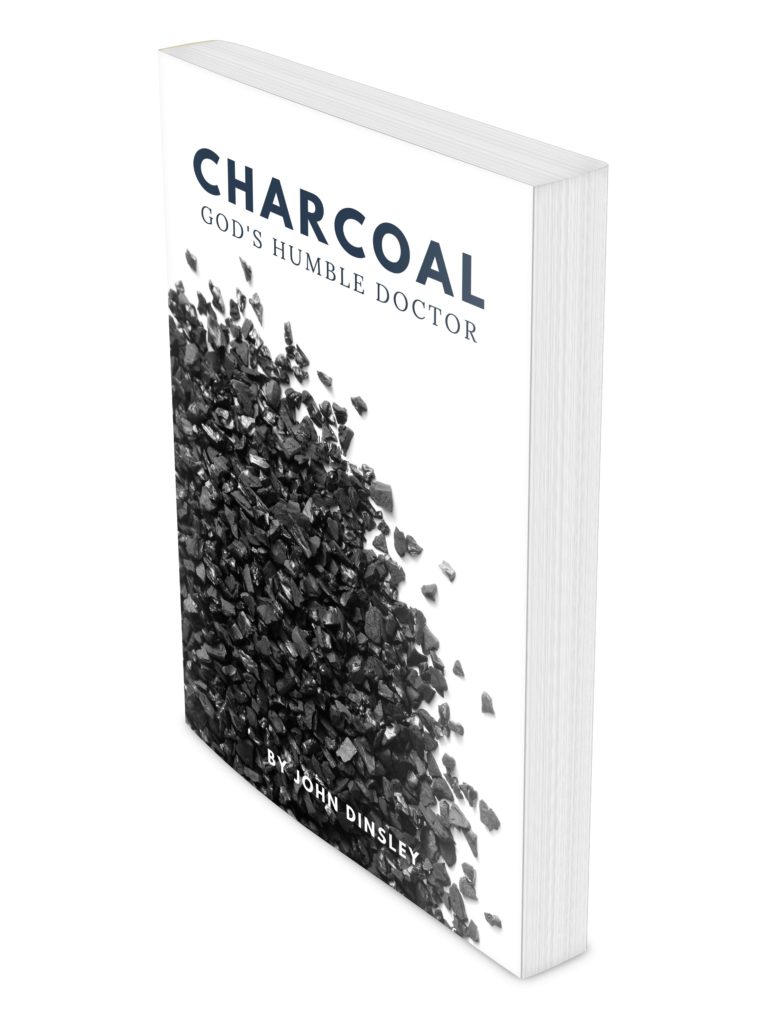
To find out more how activated charcoal can help you treat neonatal jaundice, diarrhea, colic, accidental poisoning, and other common childhood ailments, simply and naturally, right in your home, order the book CharcoalRemedies.com now.

11 Comments. Leave new
Thank you for this especially knowing the Doc is from Loma Linda University settled my mind. Send us more new letters please
Please subscribe if you haven’t already. Thanks for stopping by!
Hi it keeps saying error when I put my details in for free ebooks?
Our apologies. I just sent it to your email. Please let me know if there’s anything else we can assist with.
I am an ardent believer in the efficacy of activated charcoal. Thank you for the book. I just purchased the book but unable to get the toothpaste. Also I would like the free ebook but there is a persistent “error” message on the page.
… [Trackback]
[…] Read More Information here on that Topic: charcoalremedies.com/babies/ […]
… [Trackback]
[…] Find More on that Topic: charcoalremedies.com/babies/ […]
… [Trackback]
[…] Find More to that Topic: charcoalremedies.com/babies/ […]
… [Trackback]
[…] There you will find 55682 more Information on that Topic: charcoalremedies.com/babies/ […]
… [Trackback]
[…] Info on that Topic: charcoalremedies.com/babies/ […]
… [Trackback]
[…] Find More to that Topic: charcoalremedies.com/babies/ […]