
 Question “I’m an ER doc. I practice in OK and TX. I recently read your book and look forward to expanding my use of charcoal other than just for drug overdoses. Diverticulosis is a fairly common GI disorder. I have not been able to find any references to the use of charcoal for this condition. If you know of any please let me know.
Thanks, Dr. Wayne” Definition: By definition Diverticulosis, also known as Diverticular Disease, is the condition of having diverticula in the colon. Diverticula are small pockets of mucosal tissue that balloon out through the muscle layers of the colon wall. These are more common in the sigmoid colon, which is a common place for increased abdominal pressure. Diverticulosis is uncommon before the age of 40 and increases in incidence after that age. When individual diverticula become impacted and inflamed the condition is known as Diverticulitis. Diverticula are thought to be caused by increased abdominal pressure within the colon. Increased abdominal pressure coupled with constipation may lead to weaknesses in the walls of the colon giving way to diverticula. Other causes may include a colonic spasm (caused by dehydration or low-fiber diets (or constipation) which also increases abdominal pressure. Fiber causes stools to retain more water and become easier to pass (either soluble or insoluble fiber will do this). A diet without sufficient fiber makes the stools small, requiring the bowel to squeeze harder to remove the smaller stool, leading to increased abdominal pressure. Reply:“Dear Dr. Wayne, Thank you for your letter and interest in exploring the medicinal use of charcoal.
You ask about the use of charcoal for diverticulosis: because constipation figures so prominently in the formation of diverticula, and because charcoal tends to be binding or constipating for many, I would choose to focus more on lifestyle issues than first experimenting with charcoal.
- I read somewhere years ago that the primary cause of constipation is ignoring the urge – a training period of 2 weeks (or less) of sitting on the toilet at a set time every day is a benefit to many.
- #2 cause of constipation is dehydration – a large percentage of Americans are chronically dehydrated. Taking a glass of warm water just before sitting on the stool can help stimulate bowel movement.
- diets low in fiber, or high in protein, fats, and refined carbohydrates all contribute to constipation and should be more whole grains, fruits and vegetables.
- dairy products, if not irritating to the colon, tend to be constipating to many.
- exercise in the form of a daily walking program is a simple yet effective treatment for many suffering from constipation
Having said that, charcoal can adsorb large amounts of abdominal gas thus lowering intra-abdominal pressure, AND charcoal sometimes works as a laxative. Both these are beneficial for constipation and may indirectly be a benefit in staying the process of Diverticulosis. As for the use of charcoal for diverticulitis (inflammation of diverticula): if the patient is willing to employ some of the above lifestyle changes, then I would recommend a teaspoon of very fine charcoal mixed with olive oil, or some other sweet oil, warmed slightly, and taken a little while before or after mealtimes.
If the patient is not inclined to cooperate with the above lifestyle changes, but is suffering abdominal pain or spasm, then I would recommend a charcoal poultice large enough to cover the entire lower abdomen. Several have reported to us that when charcoal taken internally (for diarrhea, appendicitis, colitis…) had little positive effect, they switched to a charcoal poultice and experienced prompt relief. Placing a heating pad or hot fomentation over the poultice should also be helpful.
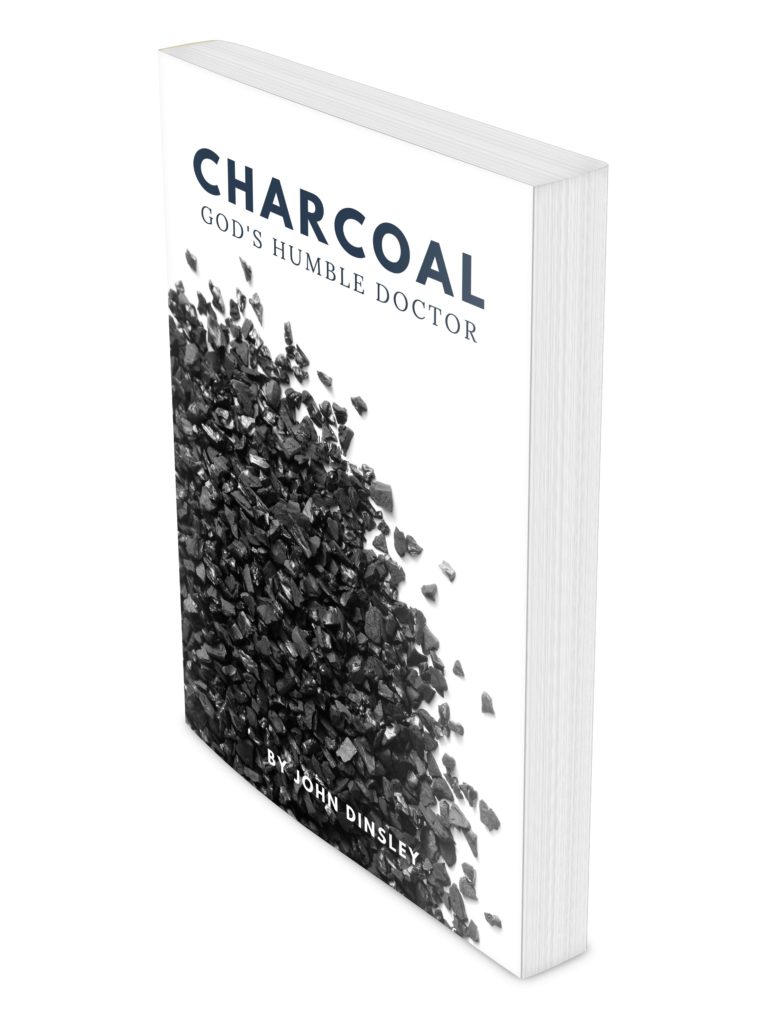
As I mentioned in the book (CharcoalRemedies.com p. 75-76), one of the complications associated with charcoal use in hospitals is constipation and bowel obstruction. People with diverticulosis/diverticulitis already have sluggish digestion and giving them charcoal internally in an ER setting may put them at more risk of impaction, especially if they are not kept well hydrated. Giving charcoal in conjunction with emetics and laxatives seems to be asking for more trouble. These are my observations from personal experience and reading several hospital records.
Again, thank you for your letter. I hope the information will be helpful.”
Sincerely John Dinsley


9 Comments. Leave new
Most helpful information and I now know how to better handle the diverticulitis flareups. I was using wrong combinations. Thank you!
… [Trackback]
[…] Information to that Topic: charcoalremedies.com/diverticulitis/ […]
… [Trackback]
[…] Read More on that Topic: charcoalremedies.com/diverticulitis/ […]
… [Trackback]
[…] There you can find 82382 more Information to that Topic: charcoalremedies.com/diverticulitis/ […]
… [Trackback]
[…] Read More on that Topic: charcoalremedies.com/diverticulitis/ […]
… [Trackback]
[…] Information on that Topic: charcoalremedies.com/diverticulitis/ […]
… [Trackback]
[…] Find More on that Topic: charcoalremedies.com/diverticulitis/ […]
… [Trackback]
[…] Find More Info here to that Topic: charcoalremedies.com/diverticulitis/ […]
… [Trackback]
[…] Find More Information here to that Topic: charcoalremedies.com/diverticulitis/ […]